
Freelance Work in the GCC
Your Complete Guide to Freelancing in the UAE, Saudi Arabia, Qatar, and Beyond
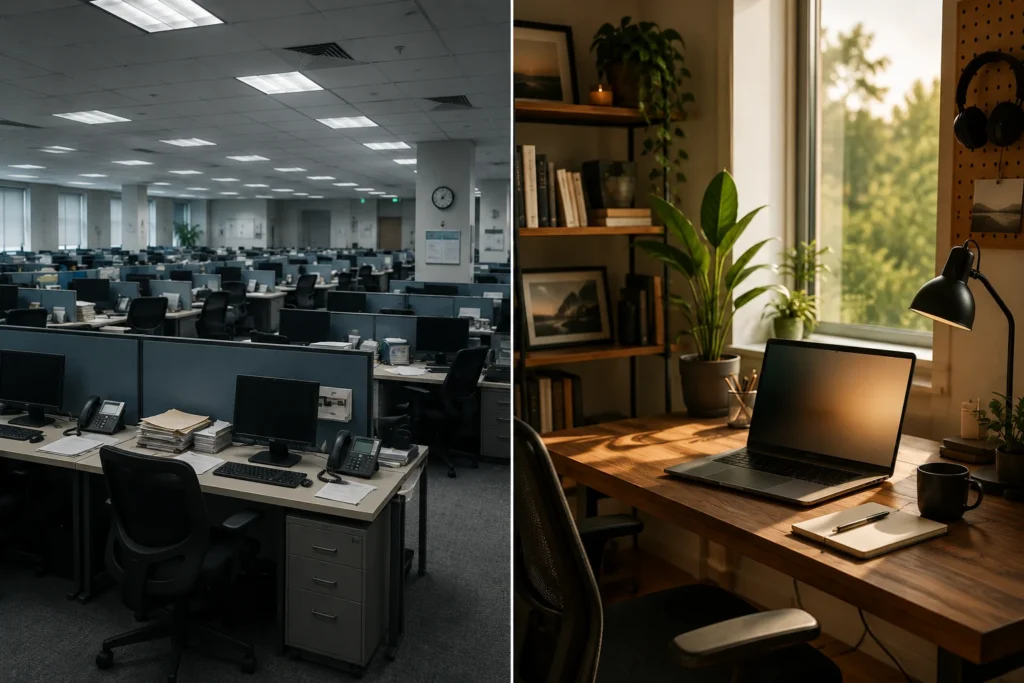
Freelancing used to be the Plan B. The thing you did between jobs or when nothing else came through. That perception has been totally turned on its head in recent years, and no more dramatically than in the Gulf.
The GCC region is one of the most active freelance markets in the world today. Businesses across the UAE, Saudi Arabia, Qatar and the wider Gulf are spending big on freelance talent – digital marketers, web developers, graphic designers, content writers, video editors, consultants and dozens of other specialisms. There is a demand, it is growing, and it is a real opportunity to earn for those professionals who know how to position themselves correctly.
But the thing about freelancing in the Gulf, specifically, is that it’s not the same as freelancing in Europe or North America. Client expectations are different. The payment structures vary. The way you are found is different. The legal and visa issues are different. And the cultural dynamics of developing professional relationships here have a rhythm of their own that takes some time to get a feel for.
This page has everything. Whether you’re already freelancing and looking to build a stronger GCC client base, thinking about switching from full-time employment to independent work, or sitting outside the region wondering whether Gulf clients are worth pursuing – you’ll find practical, honest guidance here.
No general advice. No recycled blog advice about the U.S. freelance market. What works in the GCC
Why GCC is one of the best freelance markets out there
Before we get into the how, it’s useful to understand the why — because the reasons the Gulf is such a thriving freelance market are structural, not temporary.
Digital Transformation and Vision 2030 Driving Continuous Demand
Vision 2030 is not a slogan. It is a funded and government backed economic transformation program that is reshaping whole industries. Tourism, entertainment, technology, construction, healthcare, education, financial services – all growing at the same time and at a quick pace. Any business coming into, or expanding in these sectors needs marketing, content, web presence, digital infrastructure and operational support. A lot of that work goes to freelancers and contractors rather than full-time hires.
The UAE’s own national AI and digital economy strategy is driving similar demand. Abu Dhabi and Dubai are aggressively recruiting technology companies, financial institutions, and creative businesses, and the ecosystem around those companies creates consistent work for skilled freelancers. Qatar, Bahrain and Kuwait are each pursuing their own diversification agendas.
The regional picture is broadly of economies spending heavily on development across multiple sectors simultaneously – creating sustained freelance demand rather than cyclical spikes.
GCC businesses are growing more accepting of remote and freelance work
Five years ago, many Gulf businesses were reluctant to hire freelancers for anything but very specific technical tasks. The pandemic did that. Remote work was normalised out of necessity and many businesses learnt that freelancers could do quality work without the overhead of full-time employment – no visa costs, no benefits packages, no office space.
The change has stuck. Businesses across the GCC today routinely hire freelance graphic designers, social media managers, content writers, web developers and consultants for projects that would have previously been handed to agencies or in-house teams. The freelance option was rare in the past, now it is normal.
The Talent Gap Is Real
Here’s something most freelancing guides won’t tell you to your face: there is a genuine shortage of skilled freelance talent in several key areas in large parts of the GCC. There is a local freelance demand for digital marketing skills, quality English-language content writing, competent web development and professional video production that far exceeds supply.
This talent gap is an opportunity for skilled professionals from India, Pakistan, Egypt, the Philippines, the UK or any other country with strong professional education systems. You don’t need to be in the UAE to serve clients in the UAE. To do content work for a Saudi company you don’t need a UAE visa. The door has been opened for remote delivery and the talent gap means that well-placed freelancers are being noticed faster than they would in saturated Western markets.
Understanding the Freelance Landscape in the GCC by Country
Every GCC country has its own freelance ecosystem. Here’s what you need to know on the major markets.
UAE – The Most Sophisticated Freelance Market in the Region
The Gulf’s most mature freelance markets are found in Dubai and Abu Dhabi. The UAE boasts a diverse, globally connected economy with a large number of businesses that value and understand the worth of professional freelance services.
In recent years, the UAE introduced a dedicated Freelance Permit – allowing individuals to legally freelance without having to set up a full company. Freelance licences are available for professionals in creative, media and technology fields in free zones including Dubai Media City, Dubai Internet City, twofour54 in Abu Dhabi and Fujairah Creative City. If you are going to freelance full time in the UAE then getting properly licensed is worth doing – it protects you legally and makes invoicing and banking significantly simpler.
The market is still very accessible for remote freelancers outside of the UAE. UAE businesses often hire international freelancers for digital jobs, just be aware that payment methods and invoicing expectations differ from Western markets (more on this later).
UAE client expectations are often high. This exposes the businesses here to international quality standards and they will see the difference between professional and average work. Price accordingly, deliver accordingly.
Saudi Arabia – Biggest Opportunity & Steepest Learning Curve
Saudi Arabia is the largest economy in the Gulf and the most promising market for growth for freelancers over the next five years. “Vision 2030 is creating new industries from a standing start – tourism, entertainment, sports, culture – they all require creative and digital services at scale.
“The freelance market in Saudi is not as mature as in the UAE,” he says. Many Saudi businesses are new to the world of working with freelancers, and have less established processes for hiring, briefing and managing remote contractors. That friction is a problem—but it’s also a real competitive advantage for freelancers who can make the process smooth for clients.
Saudisation (Nitaqat) affects formal employment but has less direct impact on freelancing and remote work for international service providers. Saudi companies frequently do and can hire international freelancers for digital and creative services.
Cultural considerations are more important in Saudi than in the UAE. Communication styles tend to be more relational: clients want to feel that you understand their context before they trust you with a project. Patience in the early stages of a client relationship pays dividends in Saudi Arabia.
Most digital freelance work doesn’t require you to speak Arabic, as most business communication in Saudi Arabia’s corporate and startup world is done in English. But if you do, it’s a differentiator.
Qualified talent is scarce in areas that require Arabic language understanding (e.g. Arabic copywriting, social media in Arabic, Arabic SEO) and so those skills come with premium rates.
Qatar – Smaller Market, Strong Buying Power
Qatar is smaller in population than the UAE or Saudi Arabia, but it spends heavily on professional services. The boom in construction and infrastructure around major projects has eased somewhat, although the legacy institutions, tourism development and financial sector continue to provide demand for freelance services.
‘The Qatari market rewards quality and reliability more than almost anything else. Good experiences tend to result in long-term clients – referral networks are strong. A good Qatari client and great work usually opens three more doors.
Bahrain and Kuwait – Worth Adding to Your Target Audience
Bahrain’s fintech-friendly environment and a growing startup ecosystem mean there is demand for tech, marketing and content freelancers. Kuwait’s large corporate and government sector brings on freelancers for communications and design and digital work. Both are not as big as the UAE or Saudi but worth putting in your outreach strategy rather than ignoring.
Top Freelance Services in GCC Now
The demand for freelance skills is different in the Gulf. Here’s a real breakdown of where the strongest market is.

Digital Marketing Services
It is the most sought-after freelance category in the GCC, always. Online marketing is something businesses of all sizes need help with, and many don’t have the in-house expertise to do it well.
The particular sub-skills most in demand are:
- Social media management
- Managing Instagram
- LinkedIn and Twitter/X accounts
- Developing content calendars
- Writing captions and
- Engaging with audiences.
Need to handle both English and Arabic language Bilingual social media managers can also charge a lot more.
Paid Advertising
Google Ads and Meta Ads management for businesses that are spending actual money on paid traffic and need someone who knows what they’re doing. This is a skill where the results are measurable, so strong performers are retained and referred.
SEO
Technical and content SEO for companies looking to rank on Google for GCC-relevant search terms. Arabic SEO is particularly overlooked, very few freelancers do it well, which means high rates for those who do.
Email marketing
Designing and managing email sequences, newsletters and automated campaigns. Not as sexy as social media, but always in demand by e-commerce, real estate and professional services companies.
Content Writing
English language content writing for GCC businesses is in steady demand, but still relatively underserved as compared to Western markets. The types of content most needed are: Blog posts and articles for businesses seeking organic search traffic. Web copy for companies launching or re-launching their online presence.
LinkedIn content for executives and professionals who want to create a stronger personal brand but don’t have time to write consistently. E-mail newsletters. E-commerce product descriptions. B2B company whitepapers and case studies. Arabic content writing is even more in demand and supply is less. If you are a professional writer of good Arabic, you are in a good position in this market.
Web Development & Design
If you’re a business starting up or expanding in the GCC you need a web presence – and many existing businesses need to update theirs. High demand areas:
- WordPress development and customisation for SMEs who want a professional website without the cost of a bespoke build.
- Shopify Development for Fast-Growing E-Commerce Businesses All Over UAE & Saudi Arabia.
- Design and development of marketing campaign landing pages.
- GCC countries have very high smartphone usage, so mobile first web design is paramount.
Web development rates in Gulf are usually higher than South Asian markets but the standards are also higher. Clients here have been burned by cheap development work and will pay more for reliable, quality delivery.
Graphic Design & Visual Content
Visual content plays a very important role in the business culture of the GCC. Professional graphic design is in high, steady demand – branding, marketing materials, social media graphics, pitch decks, packaging design.
There’s a rapid growth in demand for motion graphics and video editing as short form video is becoming a core part of social media strategy across the region. The biggest salaries go to designers who can do both static and motion.
Brand identity work – logos, brand guidelines, visual identity systems – is a premium service that is in strong demand from the wave of startups and new businesses launching across the Gulf.
Video Editing & Production
The GCC ranks among the highest globally for consumption of video content. YouTube, Instagram Reels, TikTok – businesses across the region understand they need video content and many lack in-house production capability.
Corporate video production, product demo videos, social media video editing and explainer animations are always in demand. Remote video editing – where the client sends footage and the editor works remotely – is a well-established model and works well for GCC clients.
Virtual Assistance & Operations
Demand exists for executive virtual assistants, operations support, customer service management and administrative coordination as busy GCC entrepreneurs and growing businesses need operational support without the overhead of full time staff.
This category is especially suited for remote freelancers as the work is digital and location independent.
Consulting and Professional Services
Freelance work is active in the GCC in management consulting, financial advisory, HR consulting and strategy – particularly for senior professionals with a strong track record in their field.
A higher trust category where reputation and referrals matter more than platforms do. GCC business leaders use consulting freelancers they know or have been referred to The name of the game in this market is building a name in a certain niche — fintech strategy, retail operations, HR transformation — and being known for it.
How to Get Freelance Clients in the GCC
The biggest challenge of freelancing anywhere is finding clients. “There are some channels/approaches in the GCC that work better than others.”
LinkedIn is the most powerful platform
LinkedIn is the leading professional network in the GCC in a manner that is more significant than in most other markets. Business professionals in the GCC take LinkedIn seriously – not as a passive repository for CVs but as an active channel for communication.
Your LinkedIn profile is your front window. It needs to be complete, professional and clearly state what you do, who you serve and the results you produce. Your headline should state what you do, and who you do it for not just your job title. Your About section isn’t a resume summary, it’s a strong intro pitch.
LinkedIn content makes you discoverable. Writing a post on your area of expertise offering your insights, case studies and opinions on trends in the industry helps you gain visibility with the exact audience you want. GCC business professionals are heavy consumers of relevant content on LinkedIn. A consistent quality posting over a 3 – 6 month period builds a reputation that generates inbound enquiries.
Direct outreach on LinkedIn works when done right. It’s okay to send a cold connection request with a short note explaining why you’re connecting. A connection request with a sales pitch right after it is not, and will kill your reputation faster than it generates work. Connect first. Bring value to your content Develop a relationship over time. Then bring something specific and relevant.
Word of Mouth & Referrals
Referrals weigh a ton in the GCC business culture. If someone you know can refer you personally, that is worth more than a cold outreach or a portfolio website. This is cultural – in the Gulf, business relationships are based on trust and personal connection to an extent that exceeds most Western business contexts.
What does this mean for freelancers?
Your current network is your greatest asset in finding GCC clients, and every client you do a good job for is a potential referral source. Help happy clients refer you. Ask them to do so, stay in touch, and do work they’ll be proud to refer you for.
Freelance Platforms Available in the GCC
Upwork, Freelancer and Fiverr all have active client base in GCC. There are limitations to these platforms, but they are worth using, especially in the early stages of building out a GCC client base. Competition is fierce, rates are compressed at the lower end of the market and the platform takes a percentage of your earnings.
The better opportunity on these platforms is to use them as a discovery channel, not a long-term revenue channel. Find a client here on Upwork, do a great job for them and then build a direct relationship that eventually occurs off of Upwork.
Nabbesh is a freelance platform based in the UAE for the GCC market. It is worth creating a profile and staying active on it.
Ureed is another GCC-focused platform that specializes in Arabic and English content and translation jobs. We have a good client base in UAE & Saudi Arabia.
Direct Targeted Business Outreach
One of the best ways to get clients in the GCC (and one that is pretty much never used by freelancers, who tend to just use platforms) is to find businesses in your target sector, find out what they are doing in terms of marketing or digital presence at the moment, and contact them directly with a specific, relevant observation of how you could help them.
The trick is to be specific. I see your Instagram engagement has gone down a lot in the last month I work with UAE retail brands on social media strategy and have helped 3 similar businesses get back on track and grow their engagement. Happy to share some concrete ideas if that helps.That message is opened and responded to. “I’m a social media freelancer seeking new clients” doesn’t.
How to Determine Your Freelance Rates for GCC
Clients It is on the matter of pricing that many freelancers shoot themselves in the foot, either charging too little to make the work viable or asking too much without the portfolio to back it up. This is one way to think about rates in the GCC context.
The GCC Premium Is Genuine
Rates for freelance services in UAE and Saudi are really higher than most Asian and many European markets. GCC companies face higher operating costs, higher expectations and are used to paying for quality. Competing on low price in this market is usually the wrong strategy—it attracts the wrong clients and signals low value.
A social media manager charging $200 a month to manage two Instagram accounts is NOT a competitor to a social media manager charging $1,500 a month. The $1,500 client base in the GCC is a bigger and more sustainable than it would be in many other markets.
Pricing, Not Time Value
Freelancers who earn the most in the GCC set their prices for services according to the value that they provide to clients instead of the number of hours they put in. A brand identity project that is executed successfully and assists a business in attracting higher-quality clients holds significant value and commands a high fee, no matter how many hours the designer worked on it.
Think more about what your work is worth to the client. What problem does it solve? What opportunity does it create? What risk does it remove? Not what your time costs. If you change that mental frame, your rates will naturally go up.
Use market reality to anchor your rates
Here are some benchmarks of what professional freelance rates are like across common GCC service categories:
For standard blog content in English, the range is from $0.08 to $0.20 per word, while specialised technical or financial content can command $0.25 to $0.40 per word or more. The regular content production, which usually is on retainer, can range from $500 to $3000 on a monthly basis depending on volume and specialisation.
Monthly social media management retainers start from $500 for basic, single platform care , and can go up to $3,000+ when you want multi platform strategy, content creation, plus community stewardship.
Web development projects can land anywhere from $1,500 for a simpler WordPress build, to $15,000+ for a more involved e-commerce setup. Experienced developers typically bill $50–$150 per hour.
Ongoing design support retainers for graphic design usually sit around $800–$4,000 per month , it depends on the workload volume and how intricate the tasks get.
These are directional figures – actual rates will vary depending on your experience, portfolio, specialisation and the client’s budget. Use them as anchors, not rigid rules