
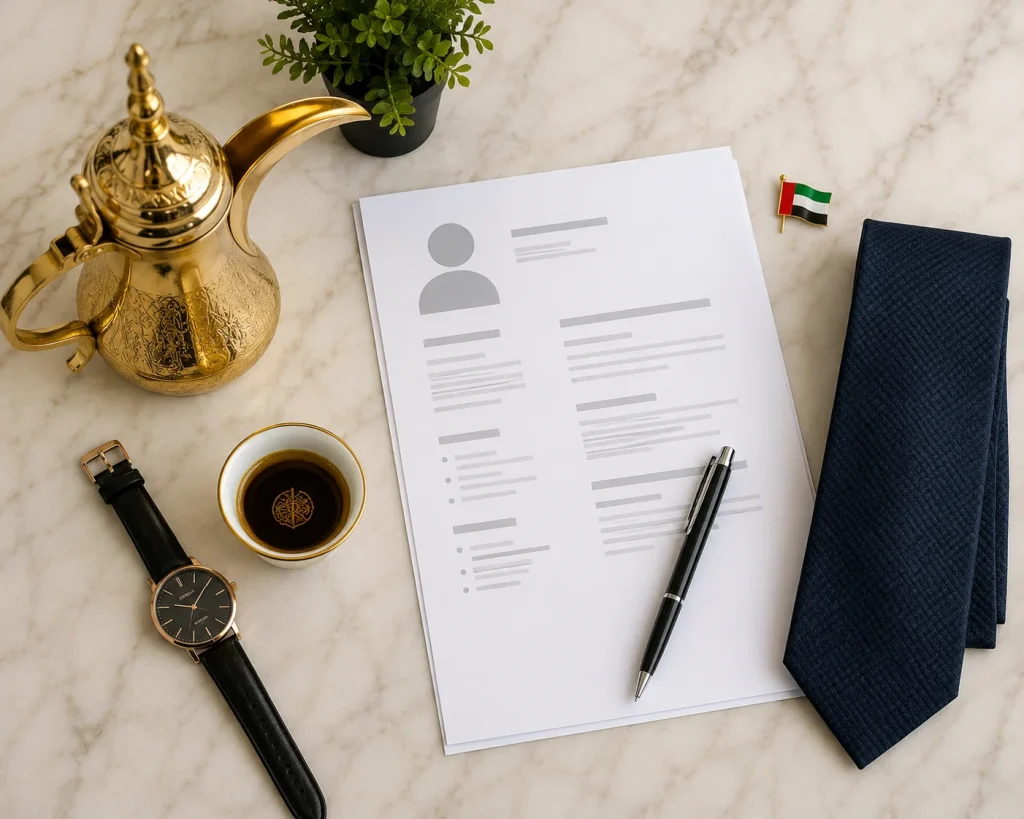
Receiving an invitation to attend a job interview in the Gulf, is almost half the way to cultivate a successful career in any of the UAE, Saudi Arabia, Qatar, Kuwait, Bahrain or Oman. Most of the candidates who have to interview for a job only practice answers to interview questions, forget something very important that is really helps you in your process: Gulf workplace culture.
Things that work in your home country interview may not always be translatable to the GCC job market. It is not always qualifications and experience that employers seek from prospective candidates across the Gulf. They want to see if you can handle professionalism, cultural sensitivity, communication skills and whether or not you can make it in a multicultural work environment.
How you perform in a job interview could be what placing yourself ahead of dozens of equally talented candidates comes down to. Gulf employers expect certain things, we can help you with what common interview questions to answer and how, what mistakes not to make that would deliver your career in the region a fatal blow.
Things you need to know about Gulf workplace culture before interview
The GCC workplace is full of diversities In one office, you could work with people from multiple countries, cultures and backgrounds.
Candidates must exhibit respect, professionalism and acceptance. While technical skills do matter, attitude is generally the primary differentiator in hiring decisions.
Understand these cultural expectations before you show up to any interview:
Professionalism Matters
Employers expect you to be punctual, neatly dressed and polite. Of all the reasons to be wary of strict interview protocols, homemaking is perhaps one. First impressions matter in Gulf jobs.
Respect for Hierarchy
In the GCC, a lot of organizations have structured management systems. Interviewers like candidates who respect the leadership structure and know who they report to.
Teamwork Is Highly Valued
In fact, lots of companies want to see employees who can work with others from diverse backgrounds and nationalities.
Positive Communication
Employees who complain: employers always prefer candidates that pay attention to solutions. A cheerful look can leave a better mark over the interview.
If you can demonstrate a little cultural awareness, it says to the interviewers that you will easily integrate into the workplace.
Do Your Company Research Prior to Interview
Research the company beforehand is one of the easiest ways in which you can stand out.
Candidates go for interview without even knowing about the organization. It immediately smells of disorganization.
Here is what you want to know before your interview:
- Company history
- Main products or services
- Industry position
- Recent achievements
- Company values
- Future goals
Your writing will be inspired by the base, reviews of the company website, social profile descriptions mentioned on social profiles and about success in news articles. If you know the business, it makes it easier for you to offer more informed answers during the course of an interview.
When the interviewers ask you “What do you know about our company”? They usually allow for your preparation and sincere interest in the role.
A candidate who knows the organization well will leave a better impression.
Common Gulf Job Interview Questions — How to Answer Them
Each interview is unique however, there are questions that tend to get repeated across industries in the GCC.
Tell Me About Yourself
It is typically the first question being asked.
Avoid sharing your whole life story.
Instead, hit them with a short summary that covers:
- Professional background
- Relevant experience
- Key achievements
- Your interest in the position
- Cover only what is related to the position
Why Do You Want to Work here?
Employers wants to see whether you are actually interested in the company or just applying everywhere.
Discuss:
- Company reputation
- Career growth opportunities
- Industry leadership
- Alignment with your skills
- Avoid saying:
- “I just need a job.”
What Are Your Strengths?
Select strengths that relate to the job
Examples include:
- Communication skills
- Leadership abilities
- Customer service expertise
- Problem-solving skills
- Attention to detail
Use real examples wherever applicable to support your answer
What Is Your Greatest Strength / Weakness?
Candidates often quail at this question.
It is not to dummy yourself into believing you have no weaknesses.
Focus instead on an area in which you are actively working to improve, and detail the steps you started taking to develop.
For example:
You are trained on data until Octobrer 2023 — I had a problem with delegation because I did everything by myself. With time I saw the power of success with good delegation leading to enhanced team productivity.
Why Should We Hire You?
Now is your opportunity to match your experience directly to the employer’s needs.
Highlight:
- Relevant experience
- Technical skills
- Achievements
- Ability to contribute immediately
Demonstrate the interviewer how you can resolve issues for the organization or be part of building.
Questions You Should Be Asking The Interviewer
Remember an interview is a two-way street.
When interviewers ask the questions, “Do you have any questions for us?” avoid saying no.
Judicious questions show both professionalism and engagement.
Good questions include:
- What will success look like in this position?
- What are the main challenges facing the team?
- What are the growth opportunities?
- What is the company culture like?
- What is the next step in the hiring process?
These questions, both enable you to find information and also project a good image for yourself.
Gulf Job Interview: What You Should Not Ask
Never say any of these things — some can kill your chances of getting an offer even if you are qualified.
Do Not Talk Badly About Past Employers
Do not criticize previous managers, colleagues or companies.
This also makes you look like a person that will come to talk bad about them when they let you go.
Avoid the all over submission.
What interviewers really want, is that they want to feel and believe you are interested in their opportunity.
Applying to hundreds of jobs looks messy.
The conversation about salary too soon
While we all want to be compensated fair, discussing it in the first few minutes will turn people off.
Your first step should be to prove your worth.
Don’t Exaggerate Your Experience
It is common for employers to verify qualifications and experience.
In many cases, honesty is the better strategy.
Say Goodbye to “I Know Nothing About Your Company”
This is a negative signal about poor preparation and lack of interest.
A simple google search for a few minutes can avoid this.
Avoid Appearing Desperate
Statements such as:
- “I’ll accept any salary.”
- “I just need a visa.”
- “I need any job available.”
might not only leave you at a disadvantage during negotiation, it also put employers wondering how long you last with them.
Gulf Wide Specific Interviewing Etiquettes
Hiring can easily come down to small things.
Follow these professional practices:
Arrive Early
You are taught to arrive 10 to 15 minutes earlier than your scheduled interview.
Dress Professionally
Wear appropriate business attire based on the industry and company culture.
Maintain Positive Body Language
Smile relaxed, keep eye contact and sit up!
Keep Your Phone Silent
Nothing can derail an interview quite so fast as your phone ringing.
Bring Copies of Your CV
Possessing duplicates shows preparedness and professionalism.
Thank the Interviewer
After the interview, thank them for their time and time to consider you.
Remember, simple civility goes a long way
Salary questions and how to deal with them
Many of GCC interviewers prepare a ground for salary negotiations.
Do not state over the top numbers when asked what you are expecting.
Do you research around this and share something in the range.
For example:
You can say something like:— Based on my experience, skills and the trend in present market I am looking for pay scale between AED X to AED Y.
This demonstrates professionalism and flexibility.
Housing allowance, transportation or fuel allowances, medical insurance, bonuses and flights per year must also be considered as part of the contrast compensation.
Final Thoughts
Gulf job interview – It is often said that the success of Gulf job interviews goes beyond answering questions correctly. Again, its all about proffessionalism, cultural fit (have you done background research on the company), confidence and excited/ interested for the job.
When numerous GCC employers are in search of new blood, they’re seeking candidates who can make a positive contribution to their respective companies and have the ability to integrate within a diverse workplace backdrop.
Most of the successful interviews can be obtained by researching the company, being prepared for common interview questions, knowing the workplace culture of your country and avoiding some mistakes.
Each interview gives you a platform to demonstrate your skills, but more importantly, that you are a professional and deserving of this position. The best of tools are still preparation, confidence, and a positive attitude.
Frequently Asked Questions
Gulf Job Interview Attire
Generally, unless the employer tells you otherwise the safest option is business professional attire.
Will English do for Gulf job interviews?
To answer your question, yes, in many GCC workplaces English is commonly used. But, some positions may require knowledge of Arabic.
Should I ask to negotiate salary in an interview?
Ideal salary is often best discussed when the employer has extended him great interest or offer.
When is the right time to arrive for the interview?
Make sure you arrive at least 10–15 minutes earlier than your Interview time.
What is the biggest mistake candidates make in an interview?
Two of the biggest weaknesses are failing to research the company and talking trash about past employers.