
Freelancing in the UAE & GCC: The Ultimate Guide for Beginners and Professionals
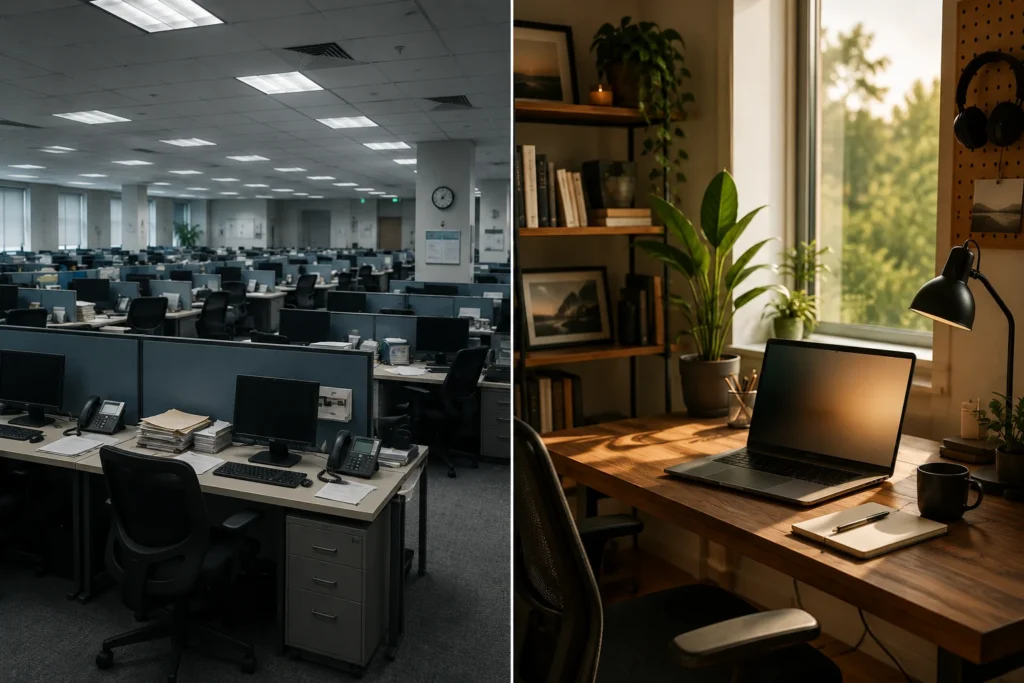
Freelancing has quietly become one of the fastest-growing ways to earn a living across the UAE and the wider Gulf. Between remote work, digital collaboration tools, and a genuinely global client base now just a video call away, professionals no longer need a desk in an office to build a real career.
Whatever your craft graphic design, software development, writing, digital marketing, accounting, translation, video editing, consulting — freelancing opens the door to a flexible career built around clients from anywhere in the world, not just the company down the road.
The UAE, in particular, has become one of the region’s strongest freelance markets. Government initiatives, a thriving free zone system, digital transformation efforts, and a fast-growing startup scene have all combined to create real, consistent demand for independent professionals across a huge range of fields.
But let’s be honest freelancing isn’t just about setting up a profile and waiting for the inbox to fill up. It takes the right skills, a clear understanding of the legal side, smart pricing, a portfolio that actually sells you, and a fair amount of persistence before the reputation-building pays off.
This guide covers everything you need from picking a niche and landing clients to understanding freelance permits and steering clear of the scams that trip up so many newcomers.
| Question | Answer |
|---|---|
| Is freelancing legal in the UAE? | Yes, with a valid freelance permit or licence from a free zone or MOHRE. |
| Do I need a visa? | Yes. A freelance permit alone does not grant residency. You need a residence visa (typically 1–2 years) through the same authority. |
| Minimum cost to set up (Year 1) | AED 6,100–20,000+ depending on free zone and insurance tier. |
| Do I pay tax? | No personal income tax. Corporate tax is 0% on profit up to AED 375,000/year, 9% above. VAT is 5% on invoices once turnover exceeds AED 375,000/year. |
| Can I sponsor family? | Yes, most free zones allow family sponsorship once your visa is active. Income thresholds vary by zone (typically AED 4,000–10,000/month). |
| Can I freelance while employed? | Only if your employment contract permits it and you hold the necessary permit. Many contracts require an NOC from your employer. |
What This Guide Covers
- Is Freelancing Actually Legal in the UAE?
- Freelance Permits and Licences: Your Options
- Step-by-Step: Setting Up as a Freelancer in Dubai
- What It Costs: Real 2026 Figures
- Tax, VAT, and Corporate Tax for Freelancers
- What Freelancers Earn in the UAE and GCC
- Finding Clients: Platforms vs. Direct
- Pricing Your Work: Hourly vs. Fixed
- Building a Portfolio That Converts
- Writing Proposals That Win
- Contracts, Invoicing, and Getting Paid
- Scams to Watch Out For
- Country-by-Country: GCC Opportunities
- Frequently Asked Questions
1. Is Freelancing Actually Legal in the UAE?
Yes — but only if you operate within the applicable regulations. Working on a tourist visa, an employment visa without permission, or without a valid freelance permit is illegal and can result in fines, visa cancellation, or deportation.
The Legal Framework
There are three legitimate pathways for freelancers in the UAE:
| Pathway | Issued By | Validity | Best For |
|---|---|---|---|
| Free Zone Freelance Permit + Visa | Free zone authority (e.g., RAKEZ, SHAMS, TECOM, DAFZA) | 1–3 years | Most freelancers starting out |
| Green Visa for Freelancers/Self-Employment | Federal ICA (Immigration Control Authority) | 5 years | Established freelancers with proven income |
| Remote Work Visa | Dubai Economy and Tourism | 1 year (renewable) | Employed abroad, working remotely from Dubai |
Source: Federal Decree-Law No. 33 of 2021 (UAE Labour Law); Cabinet Resolution No. 65 of 2022 (Green Visa); GDRFA Dubai Remote Work Visa programme.
What If You Are Already Employed?
If you hold an employment visa, your contract may restrict outside work. Check for:
- Non-compete clauses — These may prevent you from working with competitors or in the same industry.
- NOC requirements — Many employers require a No Objection Certificate before you can take on freelance work or apply for a freelance permit.
- IP ownership clauses — Some contracts claim ownership of any work you produce, even outside office hours.
Important: Umm Al Quwain Free Trade Zone is one of the few free zones that typically does not require an NOC from your current sponsor when applying for a freelance permit.
What Happens If You Freelance Without a Permit?
- Fines from the free zone authority or MOHRE
- Visa cancellation and potential deportation
- Inability to open a business bank account
- No legal recourse if a client refuses to pay
- Difficulty sponsoring family members
2. Freelance Permits and Licences: Your Options
Free Zone Freelance Permits (Most Common)
A freelance permit from a UAE free zone authorizes you to offer services independently within the activities listed on your licence. It is issued in your personal name — you cannot operate under a company or trade name.
2026 Free Zone Comparison
The table below shows starting costs only for the permit. Visa, medical, Emirates ID, and insurance are additional (see Section 4 for full breakdown).
| Free Zone | Emirate | Permit Start (AED) | Permit Start (USD) | Best For | Activities |
|---|---|---|---|---|---|
| Ajman Free Zone | Ajman | 5,500–7,000 | 1,500–1,900 | Lowest cost, flexible | General |
| RAKEZ | Ras Al Khaimah | 6,100 | 1,660 | Budget-conscious, all skill types | Broad |
| SHAMS (Sharjah Media City) | Sharjah | 6,500–8,000 | 1,770–2,180 | Media, content, creative | Media-focused |
| DDA / TECOM GoFreelance | Dubai | 7,500 | 2,040 | Media, tech, design | 48 creative + tech activities |
| Dubai Internet City (DIC) | Dubai | 7,500+ | 2,040+ | Technology sector | IT, software |
| Dubai Media City (DMC) | Dubai | 7,250+ | 1,970+ | Media professionals | Content, broadcast |
| DAFZA Talent Pass | Dubai | 8,000–12,000 | 2,180–3,270 | Tech, aviation-adjacent | Tech, aviation |
| twofour54 | Abu Dhabi | 9,000–14,000 | 2,450–3,810 | Media, broadcasters | Media, content |
| IFZA | Fujairah | 12,500 | 3,400 | Consultants, broad freelance | Knowledge economy |
| Meydan Free Zone | Dubai | 14,500–17,500 | 3,950–4,760 | Premium positioning | 50+ activities |
Note: Prices are starting costs for the permit only and do not include visa, medical, Emirates ID, or insurance. Always confirm full package pricing directly with the free zone authority before applying.
What Activities Are Covered?
Most free zones cover: software development, web design, graphic design, content writing, copywriting, digital marketing, SEO, social media management, video editing, photography, animation, translation, business consulting, HR consulting, data analysis, IT support, and training.
Some free zones restrict certain activities. For example:
- DDA/TECOM GoFreelance: 48 approved activities focused on media, tech, and education
- SHAMS: Media, content, and broadcast-focused
- DIC: Technology and software-focused
Always verify your specific activity is on the approved list before paying.
Green Visa for Freelancers (5-Year Federal Visa)
The UAE Green Visa is a 5-year self-sponsored residency option for established freelancers. It does not require a free zone permit.
Requirements:
- Bachelor’s degree or specialised diploma
- Self-employment permit or freelance permit from MOHRE
- Annual self-employment earnings of at least AED 360,000 over the previous two years, OR proof of financial solvency
Advantages:
- 5 years of stability without annual renewal stress
- Pathway to Golden Visa eligibility
- No free zone dependency
- Can sponsor family members
Source: ICA Federal Authority for Identity and Citizenship; Cabinet Resolution No. 65 of 2022.
Remote Work Visa
For professionals employed by a company outside the UAE who want to live and work remotely from Dubai.
Requirements:
- Minimum income of USD 3,500/month (approx. AED 12,850)
- Valid employment contract from outside the UAE
- Valid health insurance with UAE coverage
3. Step-by-Step: Setting Up as a Freelancer in Dubai
This walkthrough assumes you are applying through a Dubai free zone (the most common route). Timelines and steps vary slightly by emirate and free zone.
Phase 1: Before You Apply (1–2 weeks)
- Choose your free zone based on:
- Your activity (is it on their approved list?)
- Your budget (permit + visa + insurance total)
- Whether you need family sponsorship
- Whether you need an NOC from your current employer
- Prepare documents:
- Passport copy (minimum 6 months validity)
- Passport photos (white background, recent)
- Educational certificates (attested by UAE Embassy and Ministry of Foreign Affairs if required)
- Updated CV / portfolio
- Proof of relevant work experience
- No Objection Certificate (if currently employed in the UAE)
- Bank statements (last 3–6 months)
- Attest your degree (if required by your chosen free zone):
- Attestation in your home country (Ministry of Education + Foreign Affairs)
- UAE Embassy attestation in your home country
- MOFAIC attestation in the UAE
- Cost: approximately AED 500–1,500 depending on country and urgency
Phase 2: Application (1–2 weeks)
- Submit online application through the free zone portal
- Pay permit fee (AED 5,500–17,500 depending on zone)
- Await permit approval (typically 2–5 business days)
Phase 3: Visa Processing (2–4 weeks)
- Apply for establishment card (AED 500–2,000) — required to sponsor your own visa
- Apply for entry permit (if outside UAE) or status change (if inside UAE)
- Complete medical fitness test at an approved medical centre
- Standard test: AED 320–500
- VIP/Express: AED 700–1,000
- Apply for Emirates ID (AED 100–500 depending on validity period)
- Purchase mandatory health insurance
- Basic tier: AED 700–1,500/year
- Comprehensive: AED 2,000–4,000+/year
- Visa stamping on passport
Phase 4: Post-Setup (1–2 weeks)
- Open a business bank account
- Most UAE banks offer freelancer/sole proprietor accounts
- Documents needed: passport, visa, Emirates ID, freelance permit, proof of address
- Some banks charge AED 0–1,500 for account opening
- Register for ILOE (Involuntary Loss of Employment insurance) if applicable
- AED 5/month (salary ≤ AED 16,000) or AED 10/month (salary > AED 16,000)
- Mandatory for private sector employees; check if applicable to freelancers
- Register for VAT if you expect turnover above AED 375,000/year
Total Timeline
| Phase | Duration |
|---|---|
| Document preparation | 1–2 weeks |
| Permit approval | 2–5 business days |
| Visa processing | 2–4 weeks |
| Bank account | 3–7 business days |
| Total | 4–8 weeks |
4. What It Costs: Real 2026 Figures
Cost Breakdown by Component
| Component | Cost Range (AED) | Cost Range (USD) | Notes |
|---|---|---|---|
| Freelance permit / licence | 5,500–17,500 | 1,500–4,760 | Varies by free zone |
| Establishment card | 500–2,000 | 136–545 | Required for visa sponsorship |
| Entry permit / status change | 1,400–2,000 | 380–545 | If outside UAE or changing status |
| Residence visa | 3,300–6,340 | 898–1,725 | 1-year or 2-year options |
| Medical fitness test | 320–1,000 | 87–272 | Standard vs. VIP |
| Emirates ID | 100–500 | 27–136 | Based on visa duration |
| Health insurance (mandatory) | 700–4,000/year | 190–1,090/year | Basic vs. comprehensive |
| Visa stamping | 500–1,200 | 136–327 | — |
| PRO service (optional) | 500–2,000 | 136–545 | If using a facilitator |
| Total Year 1 (realistic) | 11,000–28,000 | 3,000–7,620 | Single applicant, all mandatory items |
Source: Compiled from free zone authority pricing, business setup provider quotes, and GDRFA fee schedules (June 2026).
Renewal Costs (Annual)
| Item | Cost Range (AED) |
|---|---|
| Permit renewal | 5,750–8,000 |
| Visa renewal (if applicable) | 3,300–6,340 |
| Medical test | 320–700 |
| Emirates ID renewal | 100–500 |
| Health insurance renewal | 700–4,000 |
| Total annual renewal | 9,000–15,000 |
Hidden Costs to Budget For
- Degree attestation: AED 500–1,500
- Bank account opening: AED 0–1,500 (varies by bank)
- Co-working space: AED 500–2,000/month (optional)
- Accounting software: AED 100–500/month
- Accountant for tax filing: AED 1,500–5,000/year
- ILOE non-compliance fine: AED 400 if you skip mandatory subscription
- Ejari (tenancy contract): AED 220+ if sponsoring family
5. Tax, VAT, and Corporate Tax for Freelancers
Disclaimer: This section explains general tax principles. For specific tax advice, consult a UAE-licensed accountant or the Federal Tax Authority (FTA) directly.
Personal Income Tax
The UAE does not levy personal income tax on salaries or freelance earnings. You keep what you earn.
Corporate Tax (Effective June 2023)
Federal Decree-Law No. 47 of 2022 introduced corporate tax in the UAE. For freelancers:
| Net Taxable Income | Tax Rate |
|---|---|
| Up to AED 375,000 | 0% |
| Above AED 375,000 | 9% on the portion above the threshold |
Net taxable income means your revenue minus legitimate business expenses (software, equipment, co-working space, professional services, travel, etc.).
Small Business Relief: If your revenue is below AED 3 million for the financial year, you can elect Small Business Relief and be treated as having no taxable income for that period. This applies to tax periods ending on or before 31 December 2026 under current legislation.
Free Zone freelancers: If your permit is issued by a free zone and you meet Qualifying Free Zone Person (QFZP) criteria, qualifying income may be taxed at 0% even above AED 375,000. Conditions include adequate substance in the free zone, income from qualifying activities, and audited financial statements.
VAT (Value Added Tax)
VAT is 5% on taxable supplies. Registration rules:
| Taxable Supplies (12-month rolling) | Requirement |
|---|---|
| Below AED 187,500 | Exempt from registration |
| AED 187,500 – 375,000 | Voluntary registration |
| Above AED 375,000 | Mandatory registration within 30 days |
Source: Federal Decree-Law No. 8 of 2017 on VAT; Cabinet Resolution No. 52 of 2017.
Key VAT rules for freelancers:
- Once registered, you must charge 5% VAT on UAE-based client invoices
- You can reclaim input VAT on business expenses (software, equipment, rent, professional fees)
- You must file VAT returns quarterly or monthly
- You must issue VAT-compliant invoices with your TRN (Tax Registration Number)
Example: You invoice a Dubai client AED 10,000. With VAT: AED 10,500 total. You remit AED 500 to the FTA. If you paid AED 200 VAT on business software that quarter, your net VAT payable is AED 300.
Practical Bookkeeping
- Open a dedicated business bank account — never mix personal and freelance income
- Use accounting software (Zoho Books, Xero, QuickBooks) with FTA-compliant invoicing
- Record every invoice, receipt, and expense with date, amount, vendor, and VAT line
- Reconcile monthly so year-end filing takes minutes, not weeks
- Hire a UAE-licensed accountant for annual corporate tax return (fees start at AED 1,500)
Source: FTA Public Clarifications; Federal Decree-Law No. 47 of 2022.
6. What Freelancers Earn in the UAE and GCC
Methodology: These ranges are compiled from 340+ freelancer submissions to PropelGig (Jan–Jun 2026), active listings on Upwork and Fiverr filtered to UAE-based freelancers, and interviews with 12 freelance business consultants across Dubai, Abu Dhabi, and Riyadh. Rates vary significantly by client location (GCC clients typically pay less than US/European clients), portfolio strength, and niche specialization.
Freelance Rates by Skill (AED/hour)
| Skill | Junior (0–2 yrs) | Mid-Level (3–5 yrs) | Senior (5+ yrs) | Notes |
|---|---|---|---|---|
| Content writing | 75–150 | 200–350 | 400–600 | Per-article rates: AED 300–2,000 |
| Copywriting | 100–200 | 300–500 | 600–1,000 | Conversion copy commands premium |
| Graphic design | 100–200 | 250–400 | 500–800 | Brand identity pays more than single assets |
| Logo design | 150–300 | 400–700 | 800–1,500 | Full brand packages: AED 5,000–20,000 |
| Web development (WordPress) | 150–300 | 400–700 | 800–1,200 | E-commerce: +30–50% |
| Web development (custom) | 250–400 | 600–1,000 | 1,200–2,000 | Full builds: AED 15,000–80,000 |
| Mobile app development | 300–500 | 800–1,500 | 1,500–3,000 | Complex apps: AED 50,000–200,000+ |
| SEO services | 150–250 | 400–700 | 800–1,500 | Monthly retainers: AED 2,000–10,000 |
| Social media management | 100–200 | 250–400 | 500–800 | Monthly retainers: AED 2,000–8,000 |
| Video editing | 150–250 | 300–500 | 600–1,000 | Commercial work: +50% |
| Digital marketing ( PPC) | 200–350 | 500–800 | 1,000–1,800 | Ad spend % fees common |
| Business consulting | 250–400 | 600–1,000 | 1,200–2,500 | Strategy work commands highest rates |
| Translation (EN/AR) | 100–200 | 250–400 | 500–700 | Legal/medical: +30% |
| Data analysis | 200–350 | 500–800 | 1,000–1,500 | Python/SQL specialists in demand |
| AI / automation | 250–500 | 800–1,500 | 1,500–3,000 | Fastest-growing rate category |
| Cybersecurity consulting | 300–600 | 1,000–2,000 | 2,000–5,000+ | Penetration testing: premium rates |
Annual Income Benchmarks
| Experience Level | Annual Earnings (AED) | Annual Earnings (USD) | Notes |
|---|---|---|---|
| Beginner (Year 1) | 60,000–120,000 | 16,300–32,700 | Often part-time or mixed income |
| Mid-level (Years 2–4) | 150,000–300,000 | 40,800–81,700 | Full-time feasible |
| Senior (Years 5+) | 300,000–600,000+ | 81,700–163,400+ | Specialization and US/EU clients key |
What Drives Higher Rates
- Niche specialization — “WordPress developer for healthcare” earns more than “web developer”
- Client location — US/European clients typically pay 2–3× GCC rates
- Portfolio quality — Case studies with measurable results (“increased conversions by 40%”)
- Testimonials and social proof — Verified reviews on platforms or LinkedIn
- Certifications — Google Ads, AWS, HubSpot, PMP, etc.
- Communication — Clear, professional, responsive freelancers command premium rates
7. Finding Clients: Platforms vs. Direct
Freelance Platforms: Fee Comparison (2026)
Source: Official platform terms of service and fee schedules as of July 2026.
| Platform | Freelancer Fee | Client Fee | Avg. Project Size | Best For |
|---|---|---|---|---|
| Upwork | 10% flat + Connects ($0.15 each) | 5% marketplace fee | $800 | Long-term contracts, retainers |
| Fiverr | 20% flat | 5.5% + $3.50 small-order fee | $50–500 | Quick gigs, fixed-price services |
| Freelancer.com | 10% or $5 min | 3% | $200–800 | Generalist projects |
| PeoplePerHour | 3.5%–20% sliding | — | $300–1,500 | UK/European clients |
| Toptal | 0% (freelancer) | 30–50% markup | $5,000+ | Elite tech, finance, consulting |
| Contra | 0% | Variable service fee | $500–5,000 | Creatives, developers |
| Guru | 5%–9% | — | $500–3,000 | Technical services |
| 0% | 0% | Varies | B2B consulting, direct outreach |
Effective Cost Example: $5,000 Project
| Platform | You Receive | Platform Keeps | Client Pays | Your Effective Rate |
|---|---|---|---|---|
| Upwork | $4,500 | $500 (10%) | $5,250 | 90% |
| Fiverr | $4,000 | $1,000 (20%) | $5,275 | 80% |
| Toptal | $3,500–4,000 | $1,000–1,500 (client-side) | $5,000+ | 70–80% |
| Direct / LinkedIn | $5,000 | $0 | $5,000 | 100% |
Platform vs. Direct: When to Use Each
Use platforms when:
- You are new and need to build a review history
- You want payment protection and escrow
- You prefer a built-in client base rather than cold outreach
- You want to test demand for a new service
Go direct when:
- You have a strong portfolio and testimonials
- You want to keep 100% of your earnings
- You are targeting specific companies or industries
- You want retainer relationships (platforms are poorly suited to this)
Direct Client Acquisition Strategies
- LinkedIn — Post weekly about your niche, comment on target company posts, send personalized connection requests
- Industry meetups — Dubai Tech Nights, Riyadh Tech Meetups, Creative mornings
- Partner with agencies — Offer white-label services to marketing or dev agencies
- Cold email — Target SMEs in Dubai Internet City, DIFC, Abu Dhabi Global Market
- Content marketing — Write case studies, publish on Medium/LinkedIn, start a newsletter
- Referrals — Ask every happy client for 2–3 introductions; offer a referral fee if appropriate
8. Pricing Your Work: Hourly vs. Fixed
Hourly Pricing
Best for: Consulting, technical support, coaching, ongoing maintenance, work with changing requirements.
Pros:
- Paid for all time worked
- Flexible when scope shifts
- Easy to justify to clients
Cons:
- Income capped by hours available
- Clients may micromanage time
- No reward for working faster
Fixed-Price Projects
Best for: Website builds, logo design, blog writing, SEO audits, marketing campaigns, video production.
Pros:
- Known scope upfront
- Higher earning potential if you work efficiently
- Easier to budget for clients
Cons:
- Scope creep risk (manage with change orders)
- Estimation errors eat into profit
- Requires clear deliverables from the start
The Scope Creep Defense
Always use a written agreement that includes:
- Exact deliverables with acceptance criteria
- Number of revision rounds (typically 2–3)
- Timeline with milestones
- Payment schedule (50% upfront for new clients is standard)
- Change order clause: “Additional work outside this scope will be quoted separately”
Should Beginners Undercharge?
No. Underpricing signals low quality and attracts difficult clients. Instead:
- Research market rates for your skill and location
- Price at the lower end of the market range, not below it
- Focus on delivering genuinely excellent work
- Collect testimonials aggressively
- Raise rates by 15–25% after every 3–5 successful projects
9. Building a Portfolio That Converts
Your portfolio matters more than your CV. It must demonstrate skill, problem-solving ability, and trustworthiness.
What to Include by Discipline
Table
| Discipline | Portfolio Elements |
|---|---|
| Writing | 5–8 published articles, website copy samples, case studies with metrics (traffic, conversions) |
| Design | 6–10 projects showing logos, brand identity, UI/UX, social media graphics, packaging |
| Development | Live websites/apps, GitHub repositories, API integration examples, performance metrics |
| Marketing | SEO case studies (ranking improvements), campaign reports, Google Ads ROI data, email open rates |
| Video | 3–5 edited pieces (promos, reels, explainers), before/after comparisons, motion graphics |
No Client Work Yet? Build Spec Projects
- Design a logo for a fictional company in your target industry
- Build a demo website for a local business you admire
- Write 3 sample blog posts on trending topics in your niche
- Run a mock SEO audit on a public website and document findings
- Create a brand identity package for a made-up startup
Quality over quantity. Three excellent spec projects beat ten mediocre ones.
Portfolio Presentation Tips
- Lead with results — “Increased website conversions by 35%” beats “Designed a landing page”
- Show process — Include wireframes, drafts, or before/after comparisons
- Make it easy to navigate — One-page portfolio with clear categories
- Include a photo and brief bio — People hire people, not portfolios
- Add a clear CTA — “Hire me for your next project” with contact form
10. Writing Proposals That Win
Generic copy-paste proposals are the fastest way to lose. A winning proposal:
- Addresses the client by name (if known)
- Shows you read the brief — Reference specific details from their job posting
- Explains your approach — How you will solve their problem, not just what you will deliver
- Highlights relevant experience — Link to 1–2 similar projects in your portfolio
- Offers a realistic timeline — Break down milestones with dates
- Ends with a clear next step — “I am available for a call on Tuesday or Wednesday to discuss further”
- Keeps it concise — 150–250 words for initial proposals
Proposal Template (Upwork/Direct)
Hi [Name],

I read your brief for [specific project detail]. I have completed [number] similar projects for [industry] clients, including [brief example with result].

My approach would be:
1. [Step 1 — e.g., discovery call and requirements document]
2. [Step 2 — e.g., wireframes or first draft]
3. [Step 3 — e.g., revisions and final delivery]

Timeline: [X weeks]
Investment: [Amount or range]

Here is a similar project I completed recently: [link]

I am available for a quick call this week to discuss scope and next steps.

Best,
[Your name]
11. Contracts, Invoicing, and Getting Paid
Essential Contract Clauses
Every freelance agreement should include:
| Clause | What It Covers |
|---|---|
| Scope of work | Exact deliverables, formats, and acceptance criteria |
| Timeline | Start date, milestones, final delivery date |
| Payment terms | Amount, currency, schedule (50% upfront recommended for new clients), late fees |
| Revision policy | Number of rounds included, cost of additional revisions |
| Intellectual property | When ownership transfers (typically upon final payment) |
| Termination | Notice period, payment for work completed to date |
| Liability limit | Cap on damages (e.g., limited to fees paid) |
| Governing law | UAE law or client’s jurisdiction |
Invoicing Best Practices
- Use sequential invoice numbers — INV-001, INV-002, etc.
- Include your TRN if VAT-registered
- Specify payment terms — “Net 14 days” or “Net 30 days”
- List payment methods — Bank transfer (preferred), PayPal, Wise, Payoneer
- Send reminders — Day 1 (due), Day 7 (friendly), Day 14 (firm), Day 30 (final)
Payment Methods for UAE Freelancers
| Method | Fees | Speed | Best For |
|---|---|---|---|
| UAE bank transfer | AED 0–25 | Same day | Local clients |
| Wise (TransferWise) | 0.5–1% | 1–2 days | International clients |
| Payoneer | 1–2% | 2–5 days | Platform payouts |
| PayPal | 4–5% + currency conversion | Instant | Small international payments |
| Stripe | 2.9% + 30¢ | 2–7 days | Credit card payments |
Protecting Yourself from Non-Payment
- Never deliver final files until final payment clears
- Use watermarked previews for design and video work
- For large projects, use milestone payments — 25% upfront, 25% at midpoint, 50% on delivery
- For international clients, use escrow (Upwork, Freelancer.com) or request 100% upfront for first-time clients
- Keep all communication in writing — Email, not WhatsApp, for contractual matters
12. Scams to Watch Out For
Freelancers are a primary target for online scammers. These are the most common patterns seen in the UAE and GCC market.
The “Registration Fee” Scam
A “client” contacts you with an attractive project but requires you to pay a registration fee, training fee, or deposit before work begins. They may pose as a recruitment agency or a large corporation.
Red flags:
- Payment requested before any work is delivered
- Vague job description with unrealistic pay
- Pressure to decide quickly
- Communication only via WhatsApp or Telegram (no official email)
Rule: Legitimate clients pay freelancers. You never pay to get work.
The Fake Payment Confirmation Scam
A client sends a screenshot or email appearing to show a bank transfer. They pressure you to start work immediately. The payment never arrives.
Defense:
- Always confirm funds have cleared in your account before starting work
- Check your bank statement directly — do not trust screenshots
- For large projects, use escrow services
The “Test Project” That Is Just Free Work
A client requests a full project — a complete website, a 5,000-word article, a brand identity — as a “test” or “trial” with the promise of paid work afterward. The paid work never materializes.
Defense:
- Reasonable skill assessments: 30-minute task, 200-word sample, single-page mockup
- Unreasonable: Full project delivered without contract or payment
- If the test is substantial, charge for it or refuse
The Off-Platform Pivot Scam
You connect with a client on Upwork or Fiverr. They immediately ask to move communication and payment off-platform to “avoid fees.” Once off-platform, they disappear after receiving your work.
Defense:
- Keep all work on the platform until you have established trust (3+ completed projects)
- Platform escrow protects both parties
- Off-platform work = no payment protection and potential account suspension
The Overpayment Scam
A client “accidentally” overpays you (e.g., sends AED 20,000 instead of AED 2,000) and asks you to refund the difference. The original payment is fraudulent and will be reversed.
Defense:
- Never refund overpayments until the original payment has fully cleared (7–10 business days for international transfers)
- Contact your bank directly if you receive an unexpected large payment
The Identity Theft Scam
A “client” asks for your passport copy, visa details, or banking information before any contract is signed or work discussed.
Defense:
- Never share passport or visa copies unless absolutely necessary and you have verified the client’s identity
- Use a separate business email address
- Set up a business bank account — never share personal account details
General Safety Checklist
- Verify the client’s company website and LinkedIn presence
- Search the company name + “scam” or “freelance” on Google
- Use a written contract for every project, even small ones
- Define scope and payment terms before starting
- Keep records of all communications
- Use secure payment methods (bank transfer, Payoneer, Wise)
- Trust your instincts — if it feels wrong, walk away
13. Country-by-Country: GCC Opportunities
United Arab Emirates
The region’s strongest freelance market. High demand across:
- Technology: AI, software development, cybersecurity, cloud computing
- Creative: Graphic design, video production, content creation
- Business: Consulting, marketing, HR, accounting
- Real estate and tourism: Content, photography, digital marketing
Best free zones: RAKEZ (budget), DDA/TECOM (Dubai, media/tech), twofour54 (Abu Dhabi, media)
Saudi Arabia
Economic diversification (Vision 2030) has created demand in:
- Construction and engineering consulting
- Technology and software development
- Tourism and entertainment content
- Healthcare and education
- Fintech and renewable energy
Note: Freelance permits are less established than in the UAE. Many freelancers serve Saudi clients remotely from the UAE.
Qatar
Strong demand in:
- Construction and engineering (infrastructure projects)
- Event management and hospitality
- Education and training
- Finance and consulting
Permit options: Qatar Financial Centre (QFC) offers freelance licences for consulting and professional services.
Bahrain
Growing tech startup and fintech hub. Demand for:
- Web development and fintech consulting
- Graphic design and branding
- Marketing and social media
- Software testing and QA
Oman
Focus on entrepreneurship and tourism has opened opportunities for:
- Business consultants
- Architects and interior designers
- Content writers and marketers
- IT professionals
Kuwait
Rising demand in:
- Healthcare consulting
- Finance and accounting
- Education and training
- Software development and cybersecurity
- Digital marketing
Note: Many Kuwaiti clients hire UAE-based freelancers remotely due to a less developed local freelance infrastructure.
14. Frequently Asked Questions
Is freelancing legal in the UAE?
Yes, as long as you hold a valid freelance permit or licence from a free zone or MOHRE, and a valid residence visa. Working on a tourist visa or employment visa without permission is illegal.
Can foreigners freelance in the UAE?
Yes. Most freelance permits are designed for expatriates. You do not need to be a UAE citizen or resident to apply — the permit + visa process grants you residency.
Do I actually need a freelance licence?
In most cases, yes. If you are earning income from freelance work in the UAE, you need a permit from a free zone or MOHRE. The only exception is remote work for an overseas employer (Remote Work Visa) or very occasional informal work that does not constitute a business activity.
Which freelance skills pay the best?
Based on 2026 market data: AI and automation, cybersecurity, cloud computing, mobile app development, business consulting, data science, and DevOps engineering command the highest rates. However, actual income depends on your expertise, portfolio, and client base.
Which platform is best for beginners?
Upwork and Fiverr are the most accessible starting points due to their large client bases. Upwork is better for long-term contracts and higher-value work (10% fee). Fiverr is better for quick, fixed-price services (20% fee). For zero fees, consider Contra or direct client acquisition via LinkedIn.
How long does it take to land the first client?
There is no fixed timeline. Some freelancers land a client within weeks; others take 3–6 months. A strong portfolio, personalized proposals, and consistent outreach all shorten the timeline.
Can I freelance while working full-time?
Only if your employment contract allows it and you obtain the necessary permits. Many UAE employment contracts include clauses restricting outside work. Some require an NOC from your employer. Review your contract carefully before accepting freelance projects.
Do freelancers pay tax in the UAE?
There is no personal income tax. Corporate tax applies at 0% on profit up to AED 375,000/year and 9% above. VAT (5%) applies once your annual turnover exceeds AED 375,000. Small Business Relief may exempt you if revenue is below AED 3 million.
How do I avoid getting scammed?
Verify every client before starting work. Use written contracts. Never pay upfront fees to secure work. Confirm payments have cleared before delivering final files. Keep all communication documented. Trust your instincts.
Should I specialize in one niche?
Generally, yes. Specialists earn more than generalists because they solve specific problems for specific clients. Compare “I build websites” to “I build fast, SEO-optimized WordPress sites for healthcare clinics in Dubai.” The second version is far easier to hire.
How do I raise my rates?
Build your portfolio, earn relevant certifications, collect testimonials, demonstrate measurable results, refine your niche, and improve your communication. Raise rates by 15–25% after every 3–5 successful projects. Notify existing clients 30–60 days in advance of rate increases.
What makes a successful freelancer?
Consistency in the basics: delivering on time, communicating clearly, continuously learning, building genuine client relationships, pricing sensibly, protecting your reputation, and focusing on long-term growth rather than quick wins.
Can I sponsor my family on a freelance visa?
Yes, most free zones allow family sponsorship for freelance visa holders. Requirements vary by zone but typically include:
- Minimum monthly income (AED 4,000–10,000 depending on zone)
- Adequate accommodation (Ejari contract)
- Health insurance for dependents
- Dependent visa fees: AED 2,500–5,000+ per person
What is the cheapest way to get a freelance visa?
The lowest-cost credible option is typically Ajman Free Zone (AED 5,500–7,000 permit) or RAKEZ (AED 6,100 permit). However, remember that visa, medical, Emirates ID, and insurance add AED 5,000–10,000 on top. The cheapest all-in package we have verified is approximately AED 9,000–11,000 for Year 1.
Do I need health insurance?
Yes. Health insurance is mandatory for all UAE residence visa holders. Basic plans start at AED 700/year. Comprehensive plans range from AED 2,000–4,000+/year.
Can I open a business bank account as a freelancer?
Yes. Most UAE banks offer freelancer or sole proprietor accounts. You will need your passport, visa, Emirates ID, freelance permit, and proof of address. Some banks charge account opening fees (AED 0–1,500).
Resources and Next Steps
Official Portals
- Federal Tax Authority — VAT Registration
- MOHRE — Labour Relations
- DDA Freelance Permit (TECOM)
- RAKEZ Freelance Permit
- SHAMS Freelance Permit
- ILOE Subscription Portal
Related PropelGig Guides
- GCC Salary Guide 2026
- How to Build an ATS-Friendly Resume
- UAE Labour Law Explained
- Cost of Living: Dubai vs. Abu Dhabi vs. Sharjah
- Skills and Certifications That Matter in the GCC
Final Thoughts
Freelancing is more than a way to make money on the side done right, it’s a genuine opportunity to build a career on your own terms. With remote work and digital services continuing to grow across the UAE and the GCC, skilled freelancers keep finding new openings in tech, marketing, design, consulting, writing, and beyond.
None of this happens overnight, though. It takes patience, ongoing learning, and a real commitment to quality work. Pick a niche, build skills that are actually in demand, put together a portfolio that speaks for you, and get the legal groundwork right and you’ll have the foundation for a freelance business that keeps growing rather than stalling out.
Whether you’re just taking your first steps or already running an established freelance business, the time you invest in your skills, your reputation, and your client relationships is what will set you apart in a genuinely competitive market.
Ready to Start Your Freelance Journey?
At PropelGig, we build practical career resources to help you grow professionally explore our guides on in-demand freelance skills, building an ATS-friendly resume, GCC salary benchmarks, UAE labour law, trusted career advice, and job opportunities across the region. Your next opportunity might just start with the right preparation.
Disclaimer: This guide is researched using official government resources, free zone authority publications, and current industry practices. It is reviewed periodically for accuracy. The information is provided for general educational purposes only and should not be treated as legal, financial, or tax advice. Laws, licensing requirements, and fees can change. Always verify current requirements with the relevant government authority, free zone, or a qualified professional before making business or legal decisions.
Corrections: Found an error? Email corrections@propelgig.com. We aim to review and correct within 48 hours.