
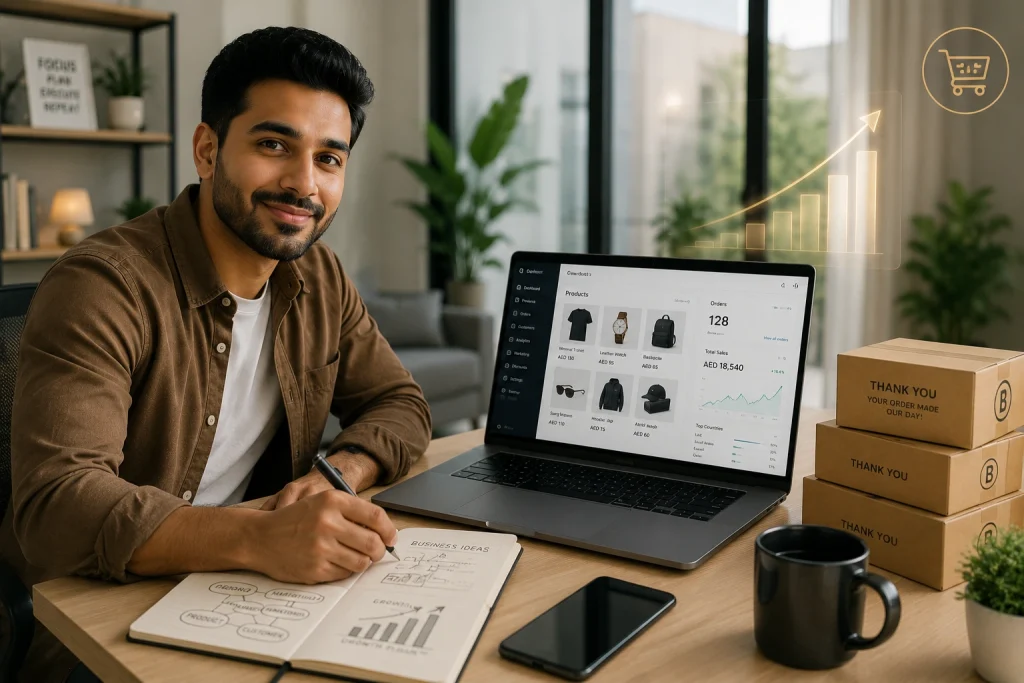
A few years ago, starting a business often meant saving money for months—or even years—before taking the first step.
You needed inventory, a physical location, staff, equipment, and enough budget to handle unexpected expenses. For many people, that made business ownership feel difficult or out of reach.
Today, things look very different.
The internet has changed how people buy, sell, and build businesses. Someone with a laptop, internet access, and a clear idea can now create an online store and start reaching customers from different parts of the world.
That’s one of the reasons e-commerce and dropshipping continue to grow.
You’ve probably seen people talking about online stores, passive income, product trends, or stories of entrepreneurs launching businesses from home. While those stories can be motivating, there’s another side that doesn’t get discussed as often: building an online business still takes effort, learning, consistency, and patience.
Success rarely happens overnight.
But the opportunity is real.
If you’ve been thinking about starting an online business and want to understand how e-commerce and dropshipping actually work, this guide will help you understand the basics, avoid common mistakes, and take practical first steps.
What Is E-commerce and Dropshipping?
Before building a store or choosing products, it helps to understand what these terms actually mean.
People often use “e-commerce” and “dropshipping” as if they mean the same thing—but they’re different.
Understanding E-commerce
E-commerce simply means selling products or services online.
Instead of operating through a physical shop, businesses use websites, online marketplaces, or digital platforms to reach customers.
Examples of ecommerce businesses include:
- Fashion brands
- Electronics stores
- Beauty businesses
- Home product stores
- Digital product sellers
- Subscription businesses
When someone buys something through a website, they’re participating in ecommerce.
Some ecommerce businesses store products themselves.
Others use outside suppliers.
That’s where dropshipping comes in.
What Is Dropshipping?
Dropshipping is a business model inside ecommerce.
With dropshipping, the seller does not store inventory personally.
Instead, the process usually works like this:
A customer places an order.
The store receives the order.
The supplier prepares and ships the product.
The customer receives the item.
This means the business owner spends less time managing inventory and more time focusing on:
- Marketing
- Customer experience
- Product selection
- Store management
- Brand building
Because of this setup, many beginners see dropshipping as a more accessible way to enter ecommerce.
E-commerce vs Dropshipping: Which One Is Better?
There isn’t one perfect answer.
Traditional ecommerce gives more control but often requires larger upfront investment.
Dropshipping reduces inventory responsibility but introduces dependence on suppliers.
Traditional ecommerce often includes:
- Inventory ownership
- Product storage
- Shipping management
Dropshipping often includes:
- Lower startup complexity
- Supplier fulfillment
- Flexible testing
Your choice depends on your goals, budget, and how involved you want to be in operations.
Why So Many People Are Starting Online Businesses
The growth of ecommerce isn’t happening by accident.
People are choosing online business because of the opportunities it creates.
But opportunity doesn’t mean easy.
It simply means more people can start.
Lower Barrier to Entry
One reason ecommerce attracts beginners is accessibility.
Compared to traditional business models, online businesses may require fewer physical resources to begin.
That creates space to:
- Test ideas
- Learn gradually
- Build experience
- Improve over time
Many successful businesses started much smaller than people imagine.
Flexibility and Independence
Another reason people explore ecommerce is flexibility.
Online stores can often be managed from different locations.
Daily responsibilities may include:
- Updating products
- Managing customer questions
- Reviewing orders
- Monitoring performance
That flexibility appeals to people who want more control over how they work.
Access to Customers Beyond Your City
Traditional stores often depend on local traffic.
Online businesses can reach broader audiences.
That creates possibilities for:
- International customers
- Different markets
- Expanded growth opportunities
The internet removes many location limitations.
How to Start an E-commerce Dropshipping Business
Starting becomes less overwhelming when broken into simple steps.
You don’t need to launch perfectly.
You need to begin thoughtfully.
Step 1: Choose a Product Category
Many beginners try to sell too many things.
That creates confusion.
Start narrower.
Ask:
What type of customer do I want to help?
What products solve a clear problem?
Popular starting categories often include:
- Lifestyle products
- Home organization
- Beauty products
- Accessories
- Pet products
- Productivity tools
The goal isn’t finding a magical product.
It’s finding a product you understand.
Step 2: Understand Your Customer
People buy for reasons.
Good businesses understand those reasons.
Think about:
- Who your customer is
- What challenges they have
- Why they would choose your store
Questions like these help:
What would make someone trust me?
Why would they purchase?
How can I improve their experience?
Strong customer understanding supports better decisions.
Step 3: Choose Reliable Suppliers
Products influence customer satisfaction.
Suppliers influence customer experience.
A poor supplier can create problems even if your marketing is excellent.
Things to evaluate include:
- Communication quality
- Product consistency
- Delivery expectations
- Return handling
Reliable systems support long-term growth.
Step 4: Build Your Store
Your website becomes your digital storefront.
It doesn’t need to be complicated.
Focus on making things simple.
Important areas include:
- Clear homepage
- Easy navigation
- Product details
- Mobile usability
- Straightforward checkout
People often buy from stores that feel trustworthy and easy to use.
Step 5: Create a Smooth Buying Experience
Customers remember experiences.
Think about:
- Order updates
- Payment experience
- Customer communication
- Post-purchase support
Small improvements often create stronger trust.
Choosing Products More Strategically
A common mistake is chasing trends without understanding demand.
Instead of asking:
“What product is viral?”
Ask:
“What product solves a real problem?”
Products often perform better when they:
- Have practical value
- Are easy to explain
- Fit a clear audience
- Allow room for branding
Long-term thinking usually beats short-term trends.
How to Market Your Ecommerce Store
A great product still needs visibility.
Marketing helps people discover you.
Build a Brand, Not Just a Store
Branding is not only about logos.
It’s about experience.
Ask:
How do customers remember me?
Brand building includes:
- Messaging
- Presentation
- Customer interactions
- Consistency
People return to businesses they trust.
Use SEO for Long-Term Growth
Search visibility can support sustainable traffic.
Areas to improve include:
- Product titles
- Category pages
- Helpful content
- Store descriptions
SEO takes time but compounds over time.
Build Visibility Through Social Media
Social platforms can support growth.
Content ideas include:
- Product education
- Customer stories
- Behind-the-scenes updates
- Tips and tutorials
You don’t need millions of followers.
Consistency matters more.
Focus on Repeat Customers
Many businesses focus entirely on first-time buyers.
Repeat customers often create stronger long-term results.
Retention strategies include:
- Better communication
- Helpful follow-ups
- Loyalty experiences
- Consistent service
Customer trust compounds.
Challenges You Should Expect
Every business model has challenges.
Dropshipping is no exception.
Competition
Online markets are crowded.
Standing out matters.
Differentiate through:
- Service
- Communication
- Experience
Customer Expectations
People expect:
- Fast updates
- Clear communication
- Reliable delivery
Meeting expectations builds credibility.
Supplier Dependence
Your reputation depends partly on suppliers.
Build systems and monitor performance.
Common Mistakes Beginners Make
Learning from common mistakes saves time.
Examples include:
Expecting Fast Success
Business growth usually happens gradually.
Launching Without Research
Understanding customers matters.
Ignoring Branding
Trust affects buying decisions.
Quitting Too Early
Many businesses improve after adjustment and testing.
Growing Beyond Your First Sales
Growth isn’t about doing more.
It’s often about doing better.
Focus on:
- Customer experience
- Better products
- Stronger systems
- Consistent improvement
Over time, growth may include:
- New categories
- Better branding
- Improved operations
- Expanded marketing
Final Thoughts
E-commerce and dropshipping continue to attract people because they create opportunities to build something with flexibility and lower barriers than traditional business models.
But online business still requires effort.
There will be testing.
There will be adjustments.
There will be moments where results take longer than expected.
That’s normal.
You do not need to launch perfectly.
You do not need every answer immediately.
Start with one idea.
Learn from customers.
Improve gradually.
Build consistently.
Most successful businesses didn’t begin with perfect plans—they began with someone taking the first step and continuing long enough to learn what worked.