
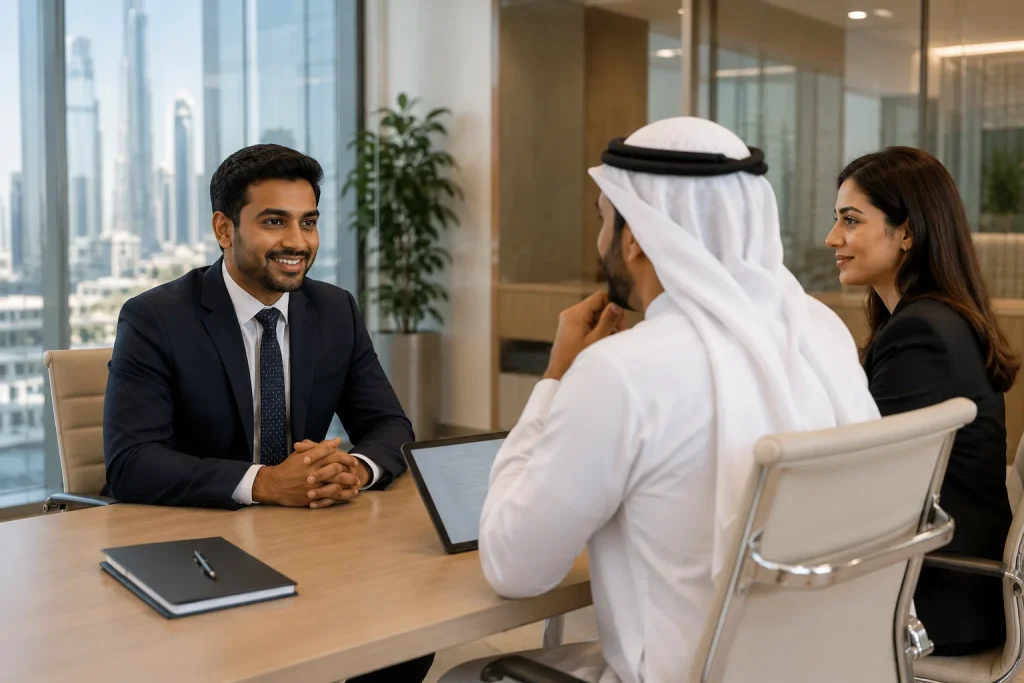
Getting called for an interview feels good. It’s proof that your application stood out among many others. But here’s the thing: getting invited is only the first step. What you do before, during, and after the interview often determines whether you move forward or not.
A lot of people think interviews are all about qualifications. They matter, of course. But employers are looking at much more than what’s written on a CV. They’re paying attention to how you communicate, how you present yourself, how you handle pressure, and whether you’d fit into their team.
The good news? Interview skills can be learned.
Whether you’re applying for your first job, changing careers, or looking for a better opportunity in the UAE or elsewhere in the GCC, understanding how to approach an interview can make a huge difference. This guide walks you through the process from start to finish.
Understanding Why Interviews Matter
Before talking about preparation, it’s worth understanding what an interview is really for.
Many job seekers see it as a test. In reality, it’s more of a conversation. The employer wants to know if you’re the right person for the role, while you’re trying to determine if the company is the right fit for you.
Why Employers Conduct Interviews
A CV tells a story, but only part of it.
Employers can see your education, experience, and skills on paper. What they can’t see is how you communicate, how you think, or how you interact with people. That’s where interviews come in.
During an interview, employers usually want to learn:
- How well you communicate
- Whether you understand the role
- How you handle workplace situations
- If your personality fits the company culture
- What motivates you
- How serious you are about the opportunity
Two candidates may have similar qualifications. Often, the person who communicates better and shows genuine interest gets the job.
What Interviewers Are Looking For
Most hiring managers are not expecting perfection.
They understand that candidates get nervous. What they’re really looking for is professionalism, honesty, and preparation.
They want to see someone who:
- Arrives on time
- Is respectful and polite
- Speaks confidently
- Has researched the company
- Shows enthusiasm for the position
- Can explain their experience clearly
You don’t need to know every answer. You simply need to show that you’re prepared and willing to learn.
Preparing Before the Interview
Preparation is where many successful interviews are won.
Walking into an interview without preparation is like showing up for an exam without studying. You might get lucky, but the odds are against you.
Learn About the Company
One of the easiest ways to impress an interviewer is to know something about their company.
You don’t need to memorize every detail. Just spend some time understanding:
- What the company does
- Its products or services
- Its mission and values
- Recent news or achievements
- Its position in the industry
This information helps you answer questions more naturally and shows that you’re genuinely interested in working there.
Imagine being asked, “What do you know about our company?” and having no answer. It happens more often than you’d think.
Read the Job Description Again
Many candidates apply for dozens of jobs and forget what each role involves.
Before your interview, go back and carefully read the job description.
Pay attention to:
- Required skills
- Main responsibilities
- Qualifications
- Experience requirements
Think about your own background and identify examples that match what they’re looking for.
If the job requires customer service skills, prepare stories about dealing with customers. If it’s an administrative role, think about times when you’ve handled scheduling, paperwork, or office tasks.
Practice Common Questions
You don’t need to memorize answers word for word.
In fact, doing that can make you sound robotic.
Instead, think about the key points you want to communicate.
Some common interview questions include:
- Tell me about yourself.
- Why do you want this job?
- What are your strengths?
- What is one weakness you’re working on?
- Why should we hire you?
- Where do you see yourself in five years?
Practice speaking your answers aloud. It feels strange at first, but it helps you sound more confident when the real interview arrives.
Prepare Your Documents
The night before the interview, organize everything you’ll need.
This may include:
- Updated CV
- Passport copy
- Educational certificates
- Experience certificates
- Portfolio or work samples
- Reference list
Being organized reduces stress and creates a professional impression.
Dressing for Success
People often say, “Don’t judge a book by its cover.”
Unfortunately, interviews don’t always work that way.
First impressions happen quickly. Before you answer a single question, people have already formed an opinion based on your appearance.
Choose Professional Clothing
You don’t necessarily need an expensive suit.
What matters most is looking neat, clean, and professional.
For most office jobs:
- Wear clean, ironed clothes
- Choose neutral colors
- Wear appropriate shoes
- Avoid overly casual outfits
If you’re interviewing in hospitality, healthcare, customer service, or administration, the same principle applies. Professional and tidy is always a safe choice.
Pay Attention to Grooming
Small details matter.
Make sure:
- Your hair is neat
- Your shoes are clean
- Your nails are tidy
- Your clothing is wrinkle-free
- Personal hygiene is taken care of
These things may seem minor, but they contribute to your overall presentation.
What to Do on Interview Day
The day of the interview can feel stressful, especially if it’s an important opportunity.
A little planning can make the experience much smoother.
Arrive Early
Aim to arrive 10 to 15 minutes before your scheduled interview.
This gives you time to:
- Find the location
- Relax before the interview
- Avoid stress caused by traffic or delays
Being late creates a negative impression before the interview even begins.
On the other hand, arriving slightly early shows reliability and professionalism.
Stay Positive
It’s normal to feel nervous.
Almost everyone does.
The key is not eliminating nervousness but managing it.
Take a few deep breaths. Remind yourself that you’ve prepared. Focus on having a conversation rather than trying to be perfect.
A positive attitude often leaves a stronger impression than perfect answers.
Interview Etiquette and Professional Behavior
How you behave during the interview can be just as important as what you say.
Make a Strong First Impression
The first few moments matter.
When you meet the interviewer:
- Smile naturally
- Offer a polite greeting
- Maintain eye contact
- Introduce yourself clearly
- Show confidence without appearing overly aggressive
People tend to remember first impressions, so start strong.
Communicate Clearly
Many candidates know what they want to say but struggle to express it.
Try to:
- Speak clearly
- Listen carefully
- Answer the question being asked
- Avoid interrupting
- Stay focused on the topic
It’s perfectly acceptable to pause for a moment before answering. Taking a second to think often leads to a better response.
Be Confident, Not Arrogant
Confidence shows employers that you believe in your abilities.
Arrogance suggests you may be difficult to work with.
There’s a big difference.
It’s fine to talk about your achievements. Just be respectful and realistic.
For example, instead of saying, “I’m the best employee every company has,” explain how you helped improve a process, exceeded targets, or solved a problem.
Facts are more convincing than exaggeration.
Common Interview Mistakes to Avoid
Even qualified candidates sometimes miss opportunities because of avoidable mistakes.
Not Preparing Properly
This remains one of the biggest reasons candidates fail interviews.
Common signs of poor preparation include:
- Not knowing what the company does
- Forgetting important documents
- Being unable to explain previous experience
- Having no questions for the interviewer
Preparation shows professionalism and commitment.
Speaking Negatively About Previous Employers
This is a major red flag for many hiring managers.
Even if you left a difficult workplace, avoid criticizing former employers or managers.
Instead, focus on what you learned and what you’re looking for in your next opportunity.
Professionalism matters.
Poor Body Language
Your body language communicates a lot.
Try to avoid:
- Looking at your phone
- Crossing your arms constantly
- Avoiding eye contact
- Slouching in your chair
- Appearing bored
Positive body language makes you appear more confident and engaged.
Questions You Should Ask the Interviewer
At the end of most interviews, you’ll hear a familiar question:
“Do you have any questions for us?”
Always have at least two or three.
Ask About the Role
Good questions include:
- What does a typical day look like?
- What are the biggest challenges in this role?
- What qualities make someone successful here?
- What are the team’s current priorities?
These questions show genuine interest.
Ask About Growth Opportunities
Most employers appreciate candidates who think about long-term development.
Consider asking:
- Are there training opportunities?
- How does the company support career growth?
- What does progression look like in this position?
- How is employee performance evaluated?
These questions demonstrate ambition and commitment.
Following Up After the Interview
Many candidates think their job is done once the interview ends.
Not quite.
Send a Thank-You Message
A short thank-you email can help reinforce a positive impression.
Keep it simple.
Thank the interviewer for their time, express continued interest in the position, and mention that you look forward to hearing from them.
You don’t need to write a long message. A few thoughtful sentences are enough.
Be Patient
Hiring decisions often take longer than candidates expect.
While waiting:
- Continue applying for other jobs
- Avoid sending repeated follow-up emails
- Remain professional
- Be prepared if they contact you
Patience is part of the job search process.
Final Tips for Interview Success
Be Yourself
One of the biggest mistakes candidates make is trying to become the person they think the interviewer wants.
Most experienced interviewers can see through that quickly.
Be professional, but be yourself.
Share real experiences. Speak honestly. Let your personality come through naturally.
Authenticity creates trust.
Treat Every Interview as a Learning Experience
Not every interview leads to a job offer.
That’s normal.
Each interview teaches you something:
- Which answers worked well
- Which questions caught you off guard
- Areas where you need improvement
- Ways to communicate more effectively
The people who eventually succeed aren’t always the most qualified. They’re often the ones who keep learning and improving.
Conclusion
Knowing how to go for an interview isn’t about memorizing perfect answers. It’s about preparation, professionalism, and confidence.
Research the company. Understand the role. Dress appropriately. Arrive on time. Communicate clearly. Ask thoughtful questions.
Most importantly, remember that interviews are conversations, not interrogations.
Every interview gives you an opportunity to showcase your skills, share your experiences, and demonstrate why you’d be a valuable addition to a team. The more prepared you are, the more confident you’ll feel.
And confidence, combined with preparation, can open doors that qualifications alone sometimes cannot.